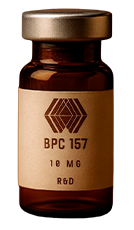
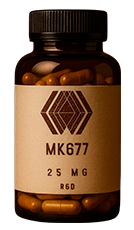
In recent years, therapies focused on cellular regeneration, metabolic optimization, and hormonal balance have gained immense attention. Among these modern tools, peptides have emerged as one of the most promising solutions for those seeking to improve health naturally, safely, and with high precision.
But what exactly are peptides? How do they work inside the body? And why are so many people turning to peptide therapy as part of their long-term wellness strategy?
This article explores these questions clearly and simply — without unnecessary medical jargon, but with solid, reliable information.
What Are Peptides?
Peptides are short chains of amino acids — the same building blocks that form proteins.
Because they are smaller, they act as biological messengers, sending signals that tell cells how to function.
They can influence:
- metabolism
- hormone balance
- immune response
- inflammation
- cellular repair
- energy production
- sleep and cognitive function
As we age, natural peptide production declines, and the body’s communication signals weaken. Peptide therapy aims to restore these essential signals safely and effectively.
Why Are Peptides So Effective?
Traditional treatments often affect the entire system, sometimes causing unwanted side effects.
Peptides, on the other hand, work as targeted messengers, activating only the receptors needed for a specific action.
This creates key advantages:
1. Precision
Peptides act only where needed, reducing unnecessary systemic impact.
2. Natural Compatibility
Because they mimic the body’s own signaling molecules, the body recognizes and uses them efficiently.
3. Safety
When used at appropriate doses, peptides tend to be well tolerated and highly predictable.
How Peptides Can Support Your Daily Health
Depending on the peptide chosen, the benefits can extend across multiple areas of health and performance:
Regeneration & Recovery
Support for tissue repair, muscle recovery, and joint health — ideal for athletes or anyone dealing with wear and tear.
Metabolism & Body Composition
Certain peptides help regulate hormones related to fat burning, hunger, and muscle building.
Energy, Focus & Mood
Some peptides influence neurotransmitters that promote mental clarity, emotional balance, and motivation.
Sleep & Hormonal Rhythm
Peptides can help regulate circadian function and improve the quality of rest.
Immunity & Inflammation
They support immune balance and help reduce chronic inflammation.
Vitality & Longevity
By acting on pathways associated with cellular aging, peptides contribute to overall longevity and improved vitality.
How a Peptide Therapy Program Typically Works
While protocols can vary based on individual goals, most follow three simple stages:
1. Defining Your Goal
The first step is understanding what you want to achieve:
- performance
- anti-aging
- metabolic support
- energy
- cognitive enhancement
- improved recovery
2. Selecting the Right Peptide
Each peptide has a specific purpose. Choosing the right one ensures targeted and efficient results.
3. Monitoring and Adjusting
Peptide programs are usually structured in cycles, allowing the body to respond while progress is monitored and adjusted when needed.
Why Peptide Therapy Is Growing Worldwide
Several factors explain the rapid rise of peptide therapy:
- Works well alongside natural health practices
- Low risk when used responsibly
- Easily customized to individual needs
- Integrates into preventative health strategies
- Provides gradual, consistent, sustainable results
Peptide therapy aligns perfectly with the modern vision of active longevity — not just living longer, but living better.